
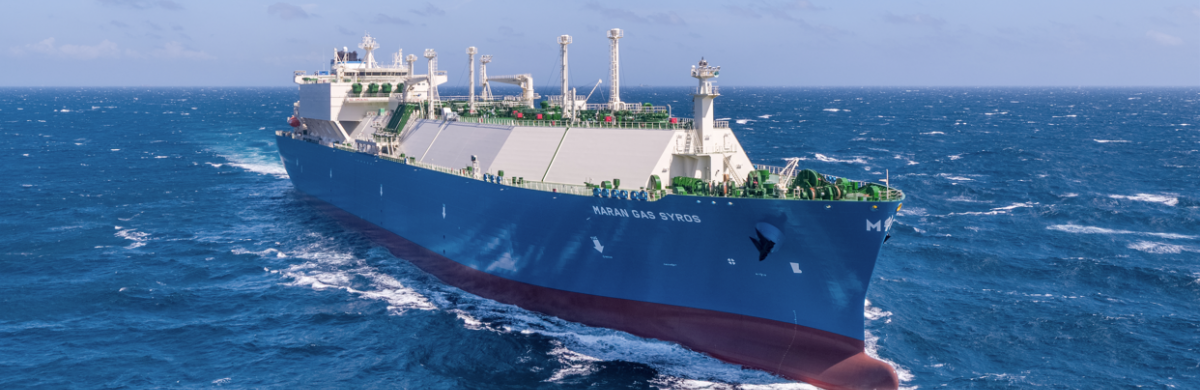
Reducing GHG Emissions in LNG Containment Systems
GTT Inside N°35 | February 2026
Sustainability Corner
REDUCING GHG EMISSIONS IN LNG CONTAINMENT SYSTEMS
As regulations tighten to protect the stratospheric ozone layer and reduce greenhouse gas (GHG) emissions from maritime transport, GTT focuses on enhancing the environmental performance of LNG cryogenic containment systems while maintaining the highest technological and safety standards.
By far, the primary source of GHG emissions associated with LNG cryogenic containment systems is excess boil-off gas (BOG). GTT’s advanced containment technologies and associated services are specifically designed to minimise BOG generation and facilitate its efficient capture and reliquefaction, thereby supporting the Group’s commitment to bringing to market solutions that reduce carbon footprint.
Materials used in membrane containment systems constitute the second major source of emissions. Within this category, the blowing agent currently used to expand insulating foams represents a significant share of material-related emissions, owing to the high Global Warming Potential (GWP) of hydrofluorocarbons (HFCs).
To address this issue, GTT decided in 2023 to discontinue the approval of Reinforced Polyurethane Foam (R-PUF) using HFCs and to move towards blowing agents with very low global warming potential (see GTT Inside N°30, published in March 2024).
GTT has identified HydroFluoro-Olefins (HFOs) as a relevant alternative. Their environmental performance is significantly better with a GWP of 3.88 for HFO-1233zd, compared with 962 for HFC-245fa1. For a standard LNG carrier of 174,000 m3, this represents an estimated reduction of around 65,000 tonnes of CO₂ equivalent.
Beyond their environmental benefits, HFOs offer similar thermal conductivity levels and comparable boil-off rate (BOR) performance to HFC-based foams in LNG carriers. The additional cost associated with the use of HFOs compared with HFCs remains very limited, resulting in a highly competitive CO₂ abatement cost of around USD 2 per tonne of CO₂. In practical terms, switching to HFO-based foams can save the equivalent of one to two years of LNG carrier operational GHG emissions for a standard LNG carrier equipped with GTT membrane technologies, depending on the operating profile and the containment system type.
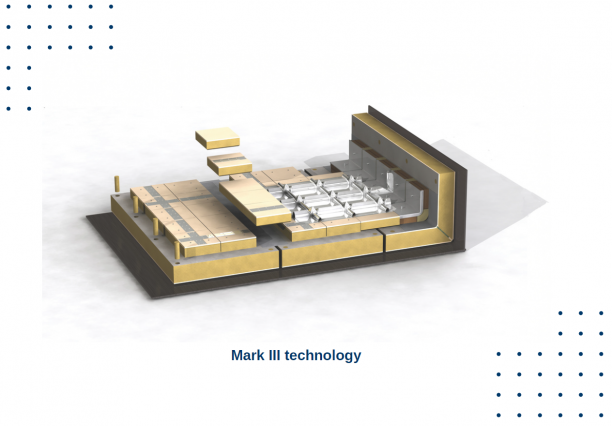
In 2025, GTT teams worked closely with their partners to ensure a smooth transition towards HFO-based foams. Today, these foams are available for both Mark III and NO96 technologies. The GTT Group remains fully committed to extending this transition to additional applications.
------
1 According to the AR6 report of the Intergovernmental Panel on Climate Change (IPCC)